First Visit to China - Hangzhou, Shanghai, and Beijing
Summer Palace and the Great Wall of China
📌 By Jakub Mikula | May 22, 2024
In May 2024, I visited China for the very first time.
My adventure began in the enchanting city of Hangzhou, continued through the buzzing energy of Shanghai, and culminated in the historic heart of Beijing, where I immersed myself in the beauty of the Summer Palace and the iconic Great Wall of China. Throughout this post, I share my personal experiences and tips on travelling in China independently between these vibrant cities - and how to reach the Summer Palace and the Great Wall without the need of a tour guide.
As someone who enjoys solo travelling, this itinerary turned out to be the perfect blend of spontaneous exploration and discovery. For a first-timer like me, I’d recommend spending at least a week to fully absorb the vibrant variety and dynamic pace of these extraordinary cities and their landmarks.
My Checklist for first-time visitors to China
I was overjoyed to learn that China recently offers visa-free entry for citizens of many countries (including several European nations) for short tourist visits. However, on my first trip to China, I still needed to obtain a visa. For me, that meant booking my flights and accommodation in advance, filling in the application form, and visiting the visa centre in person to submit everything along with my passport and passport-size photo. I did my visa application at Chinese Visa Application Service Center in Singapore, and was very satisfied with their professional and efficient procedures. A few days later, I happily collected my passport, ready for adventure.
Even if you don’t require a visa, here are some things that really made my travels through China easier, and I would recommend preparing these before you travel:
-
💳 Alipay — If I were allowed to download only one app before my trip, it would definitely be Alipay. I set the app up well before my departure. Knowing that I would be able to use it for everyday transactions, I added my bank card and verified my identity (with my passport details), so I could access more services. Although I did face a small challenge trying to test it in Singapore, I quickly learned that for foreigners the payment features work only in China. With no way to test it beforehand outside of China, I made sure to bring some cash too; however, when I arrived in China, Alipay worked like a charm everywhere I went.
The app can also be used for public transport - every city lets you activate a local metro/transit QR code (or “transport card” in-app) for buses and the metro. That turned out to be incredibly handy throughout my trip: all you need to do to enter the metro or a bus is scan a QR code. -
🚖 DiDi — I found DiDi to be China’s go-to ride-hailing app. While Alipay can handle ride-hailing too, I wanted to have a standalone option for getting around. Note that drivers will often call you right after they accept your booking to confirm your pickup. It’s OK to pick up even if you don’t speak Chinese, or to send a picture of your location to the driver through the app - that’s what I did at the airport during my first arrival, showing exactly the pillar where I was standing.
-
🗺️ Baidu Maps — Since Google Maps has limited coverage of China and isn’t updated properly, I was really grateful to find Baidu Maps. It became my best friend for navigating unfamiliar streets and planning my journeys on public transport. I found it fascinating that it shows real-time bus locations with bus icons moving on the map, which helped me decide whether to rush or take a more leisurely pace.
-
✈️ Trip.com - A lifesaver for booking hotels and high-speed rail tickets during my travels.
-
🛂 Passport — It might sound obvious, but your passport is your ultimate “ticket” for trains here. While Chinese citizens use their national ID cards, foreigners enter train gates using their passports.
A Glimpse of Hangzhou and Shanghai
Although my time in Hangzhou was very limited, I couldn’t help but fall in love with the city’s beauty. There’s a well-known saying that has truly resonated with me (上有天堂,下有苏杭), which can be loosely translated into “Above there is heaven; below there are Suzhou and Hangzhou.”, a saying praising the exceptional beauty of the two cities
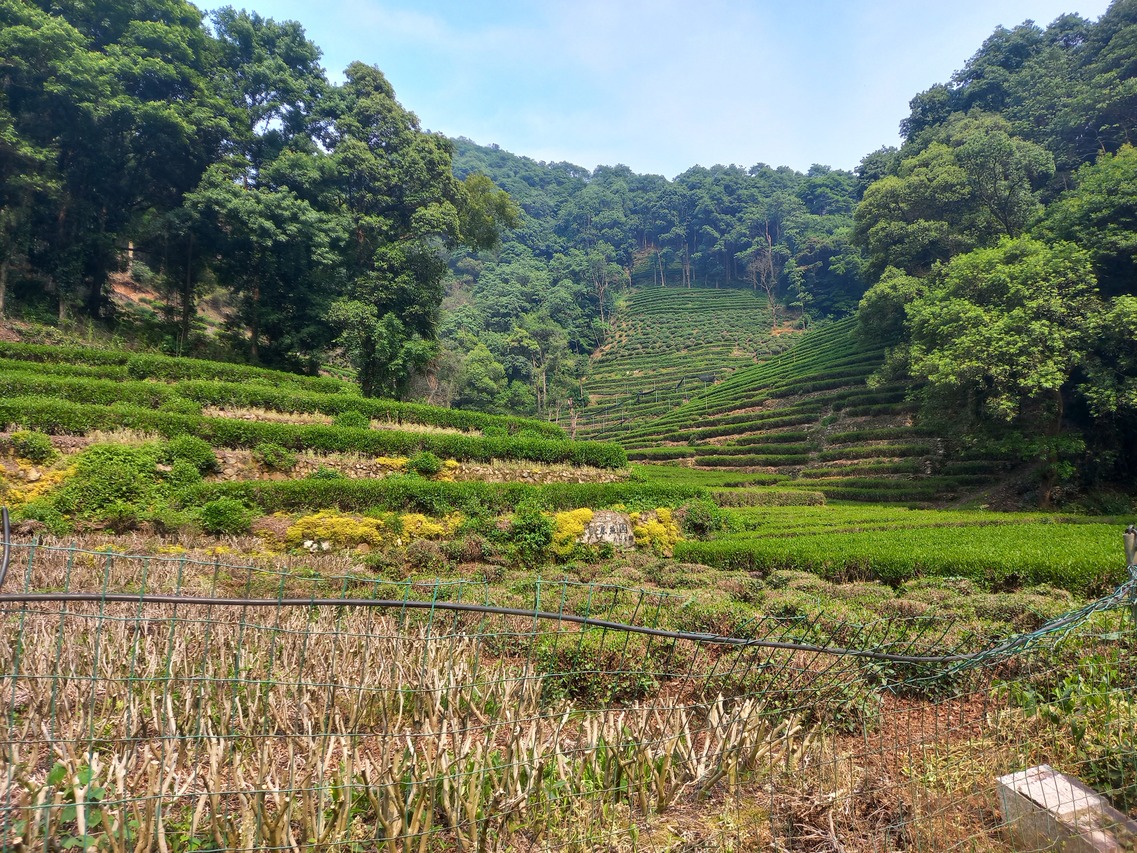
Hangzhou felt like a city steeped in tea culture. The city is surrounded by tea plantations, cozy tea museums, and even the locals seemed to have tea as part of their daily rhythm.
The calming vibe around West Lake - whether I was strolling along its banks or taking a boat ride - was simply unforgettable. I was told that in winter, the entire landscape transforms into a scene reminiscent of traditional Chinese paintings.

Although I wished I could have lingered longer, my tight schedule nudged me on to the hustle and bustle of Shanghai.
Arriving in Shanghai, I was welcomed with a clear blue sky which set the perfect tone for my city explorations. After checking into my hotel, I wasted no time and headed straight to The Bund. That famous waterfront promenade, with its incredible skyline views, immediately captured my heart.
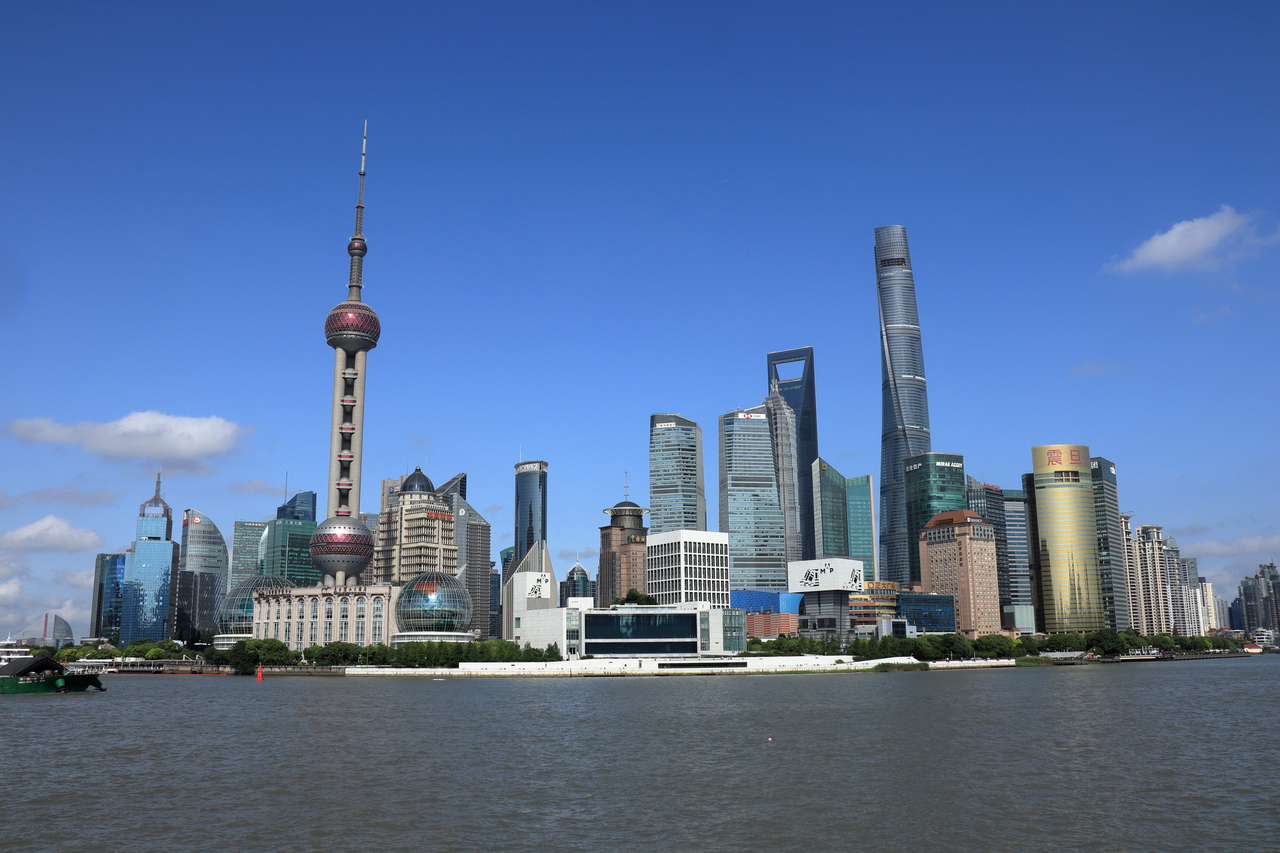
The following day, I couldn’t resist visiting the Shanghai Urban Planning Exhibition Center. Seeing the detailed models of Shanghai’s evolution over time was fascinating, and it felt like stepping into the narrative of a dynamic city.
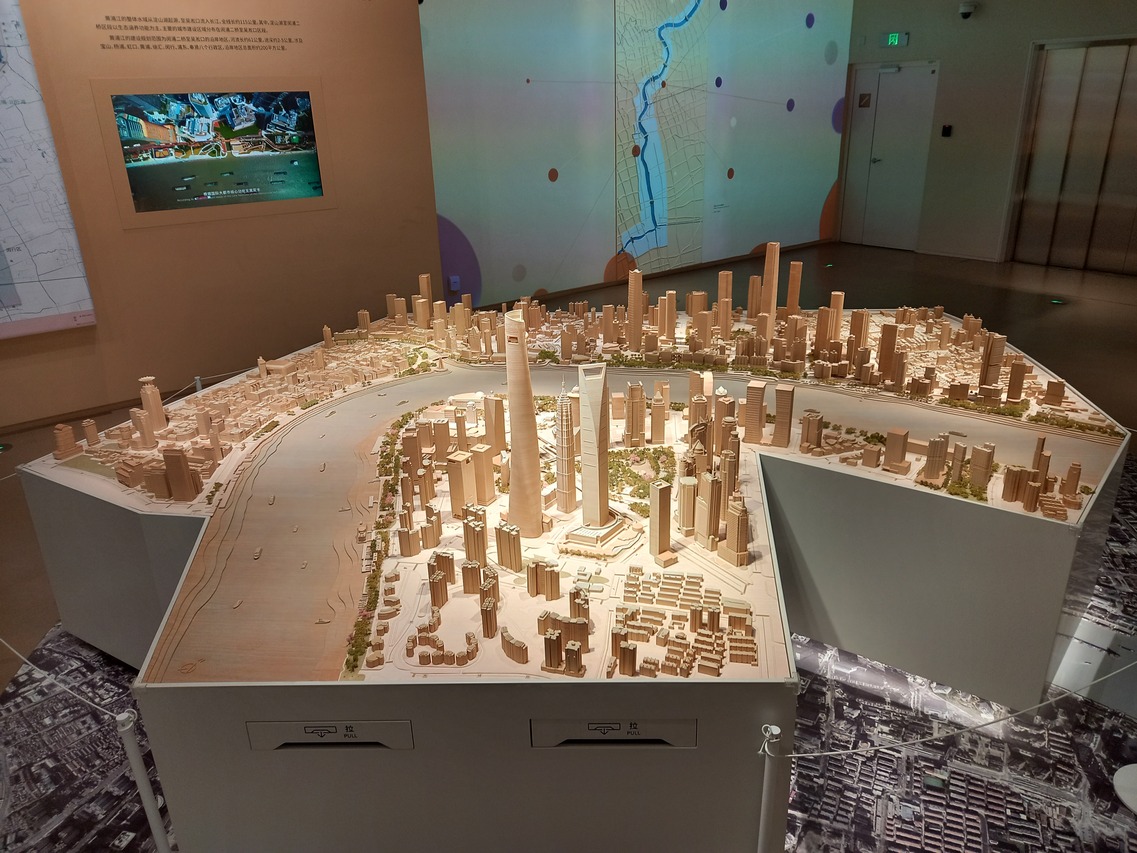
I also spent a delightful afternoon wandering around the Yu Garden area, admiring the classic Chinese architecture, intricate bridges, and picturesque walkways around serene ponds filled with fish.
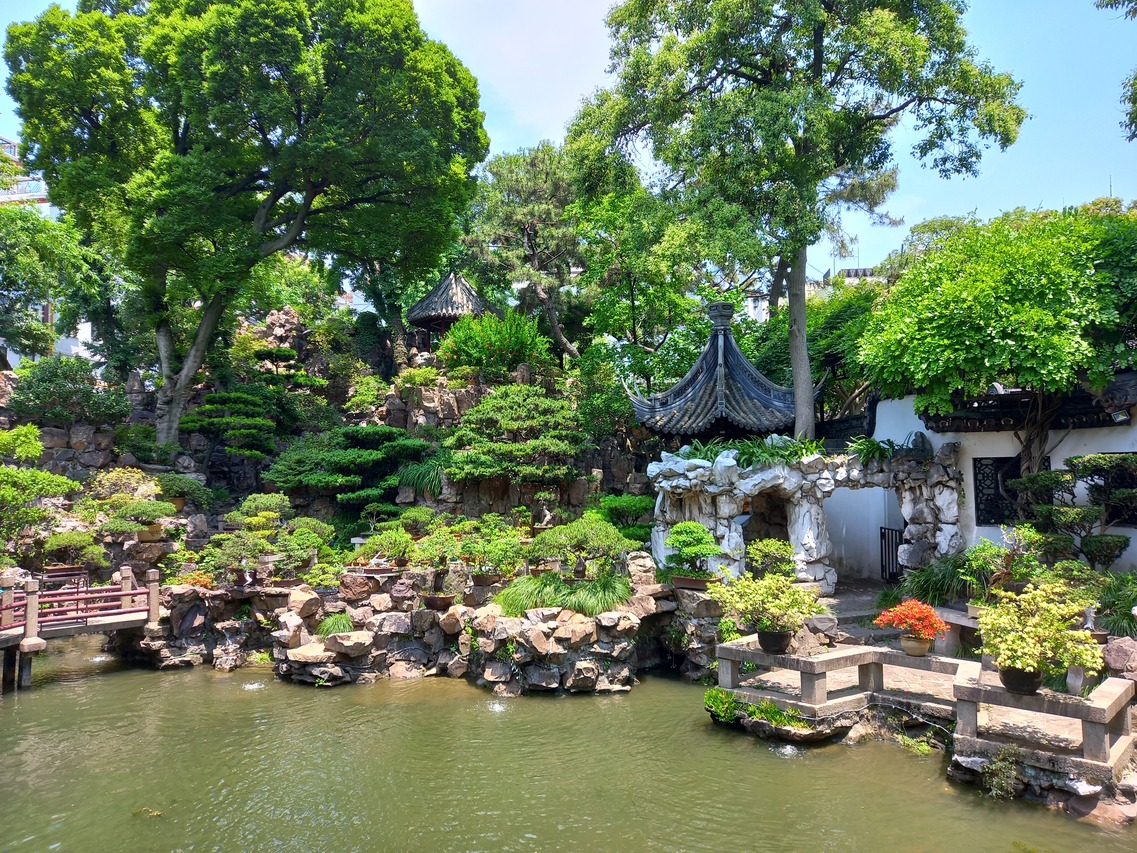
The Shanghainese blend of old and new truly won me over - especially when I strolled through the historic French Concession. There, tree-lined streets, charming cafés, diverse international cuisine (I also visited Shake Shack! :), and vibrant terraces melded into an unforgettable tapestry of urban charm.
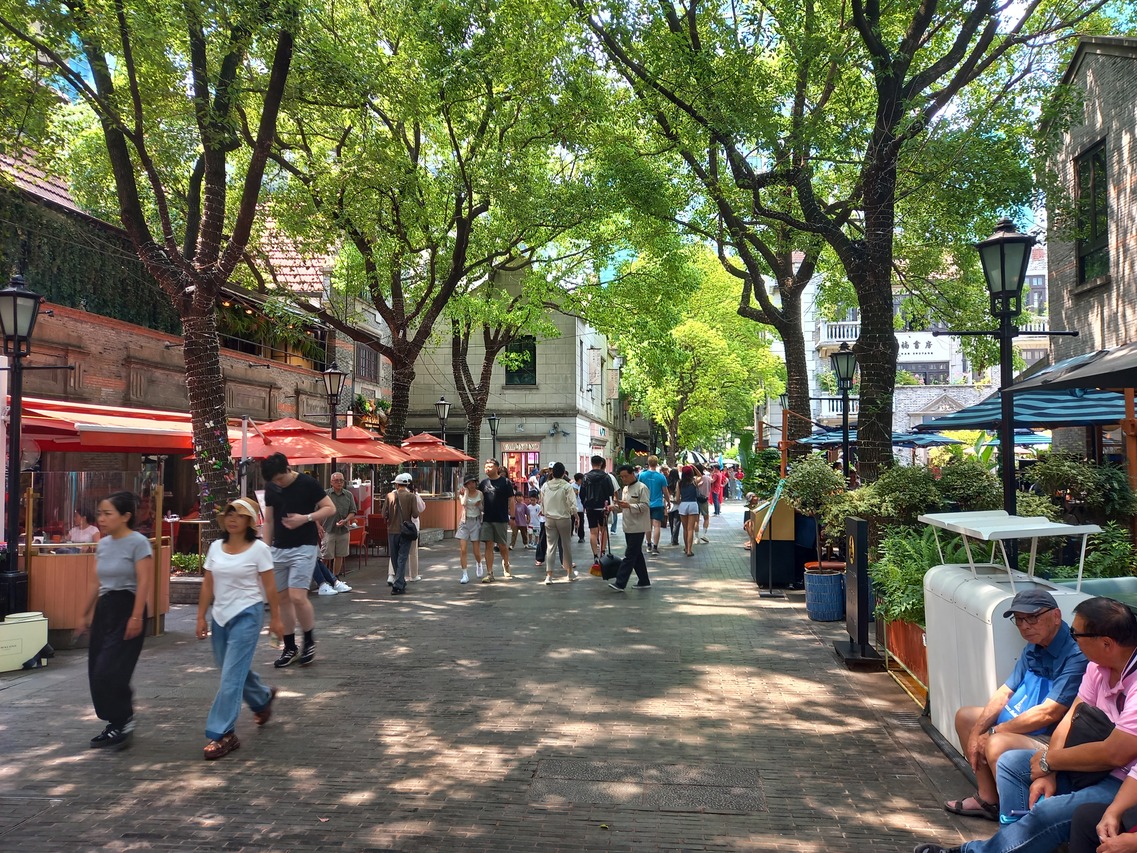
Soon enough, I found myself boarding another high-speed train to Beijing.
Shanghai to Beijing by High-Speed Rail
Taking just under five hours, with speed readings showing 345 km/h, it was my first real taste of high-speed rail, and I was absolutely thrilled.
I booked my ticket through Trip.com, and the ticket was linked directly to my passport. There was no need to collect a paper ticket, even though I still picked one up as a memento ;)
At the station, I navigated through the manual gate (with friendly staff around to assist) by scanning my passport, and everything went off without a hitch. The trains impressed me not just with their speed but also with their clean interiors, with onboard staff providing water bottles and snacks.
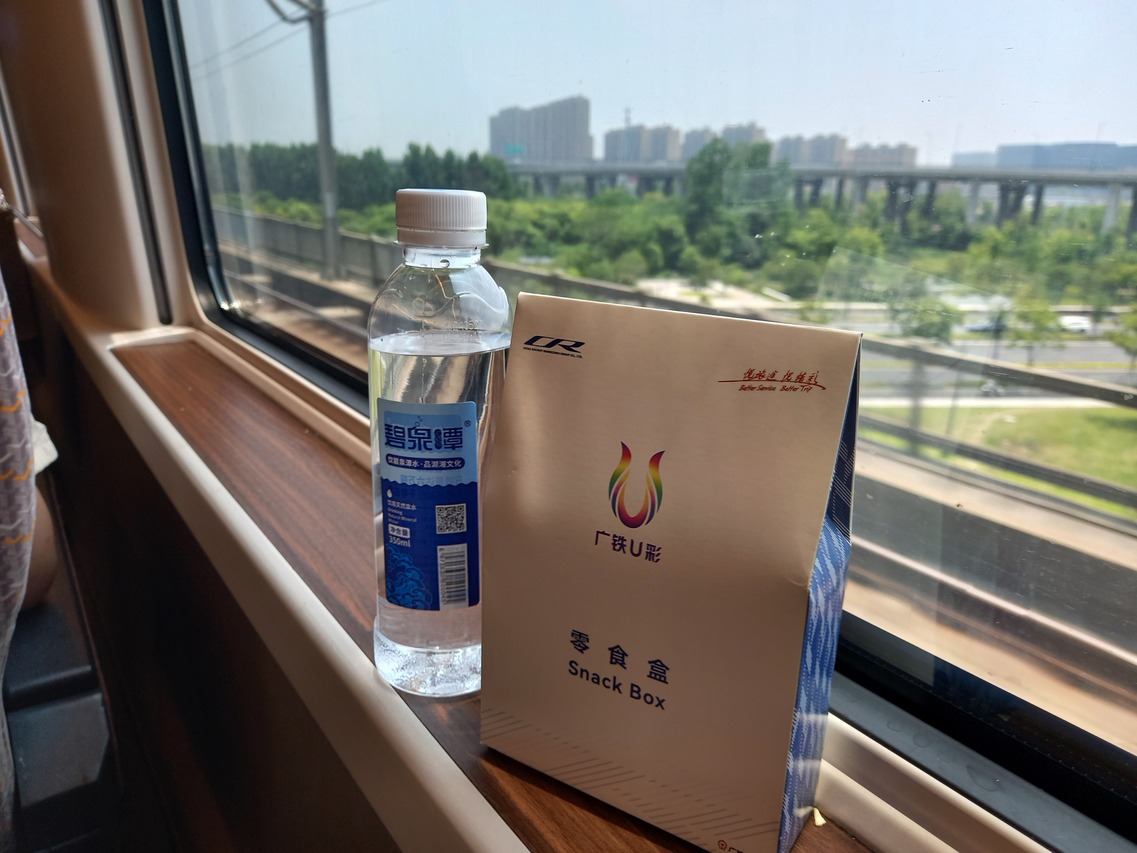
Additional food can also be purchased via a QR code without hassle, letting you relax at your seat and gaze out the window enjoying the ever-changing landscape.
Discovering Beijing
When I stepped into Beijing, I was initially surprised by the contrast to Shanghai. I took the metro to my hotel, and though the Beijing metro felt a bit older, it perfectly matched the city’s storied charm. Beijing wrapped me in a sense of history—majestic old structures, yet a welcoming atmosphere.
With two full days to immerse myself in Beijing, I decided to dedicate one day to exploring the serene Summer Palace and another day to experiencing the iconic Great Wall of China.
Summer Palace
I entered the park from the north at Beigongmen, which was a short walking distance from the nearest metro station. I bought the tickets at the counter and stepped into the complex.
The area started with meandering waterways and charming scenery, also offering relaxing boat rides.
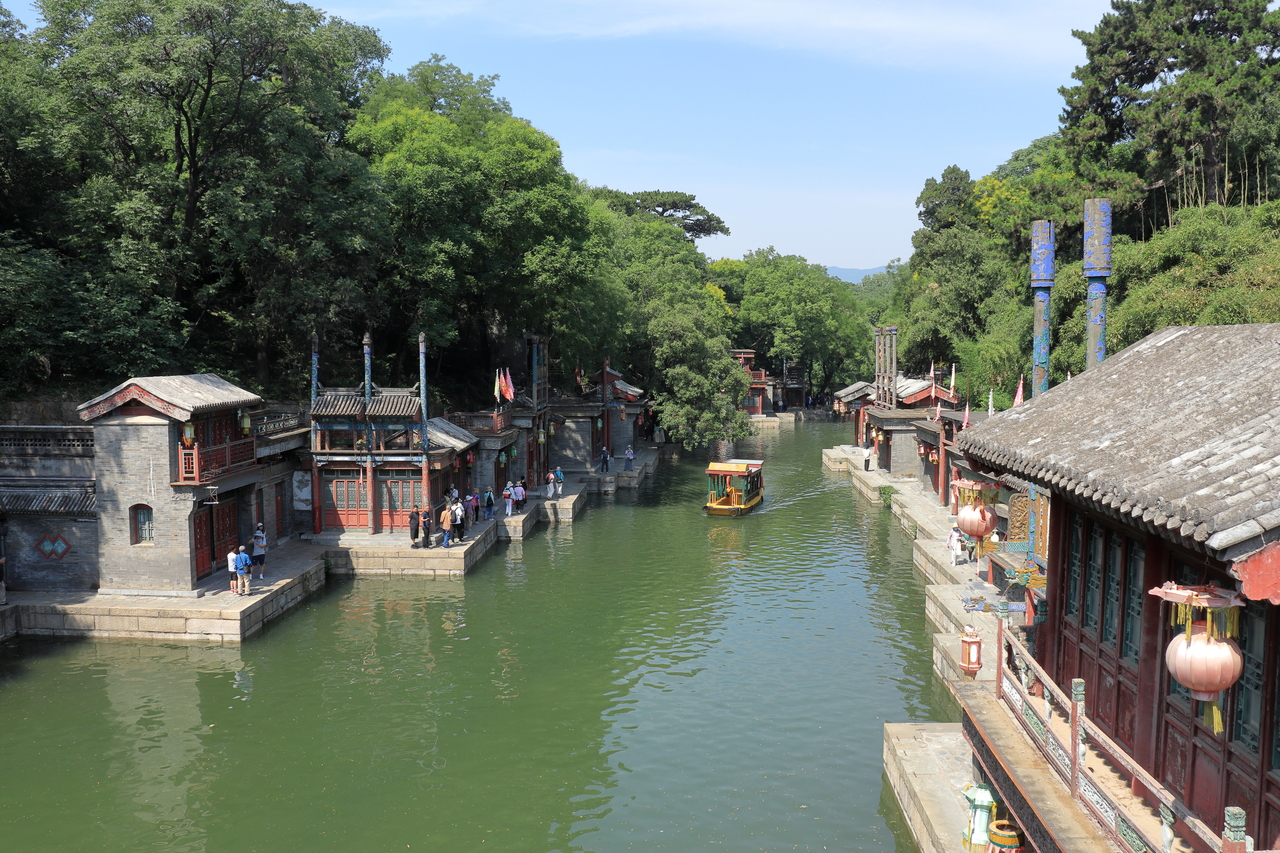
I wandered through the grounds, first climbing up the staircase to the palace and then descending along a quieter, wooded trail towards Kunming Lake. There, I walked through the sprawling network of trails.
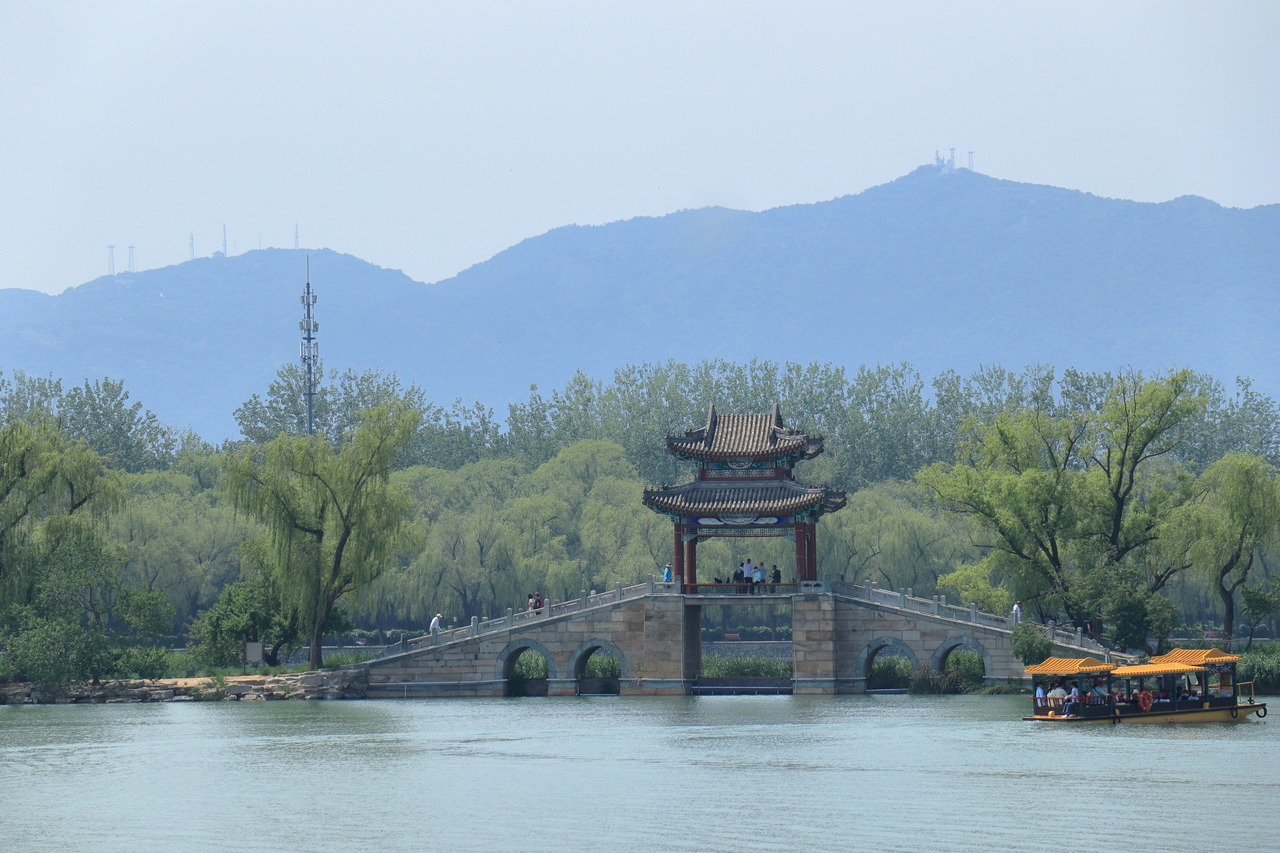
Every bridge and panoramic water view left me feeling in tune with the history and natural beauty of this place. Further to the south, the area was quiet and very relaxing.

I could have easily spend here the whole day.
The Great Wall of China
The very next day, I set out to visit the Great Wall. I chose the Huangtudian Station (黄土店站) - Badaling train connection, which was easily accessible from Beijing.
The ride offered breathtaking views as we passed through rugged mountain scenery, and as we approached the destination, the train entered a dark tunnel bored through the mountains.
Stepping off the train, I could literally feel the chill of the tunnel air. It was really cold there, while it was much warmer outside on the surface. Leading up to the surface is one of the longest escalators I’ve ever encountered.
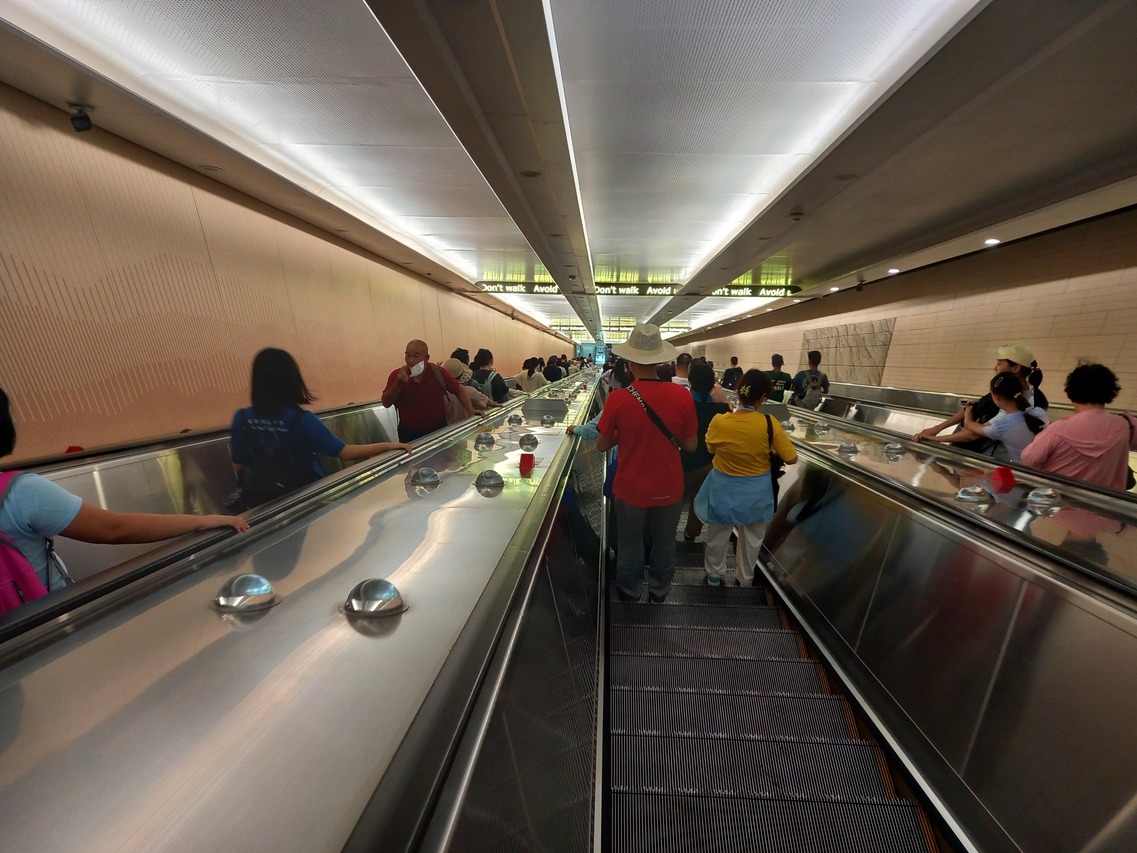
Once outside, it was only a short walk from the transport area to the entrance of the Great Wall. After buying my ticket, I took my time walking along the wall, exploring in both directions.
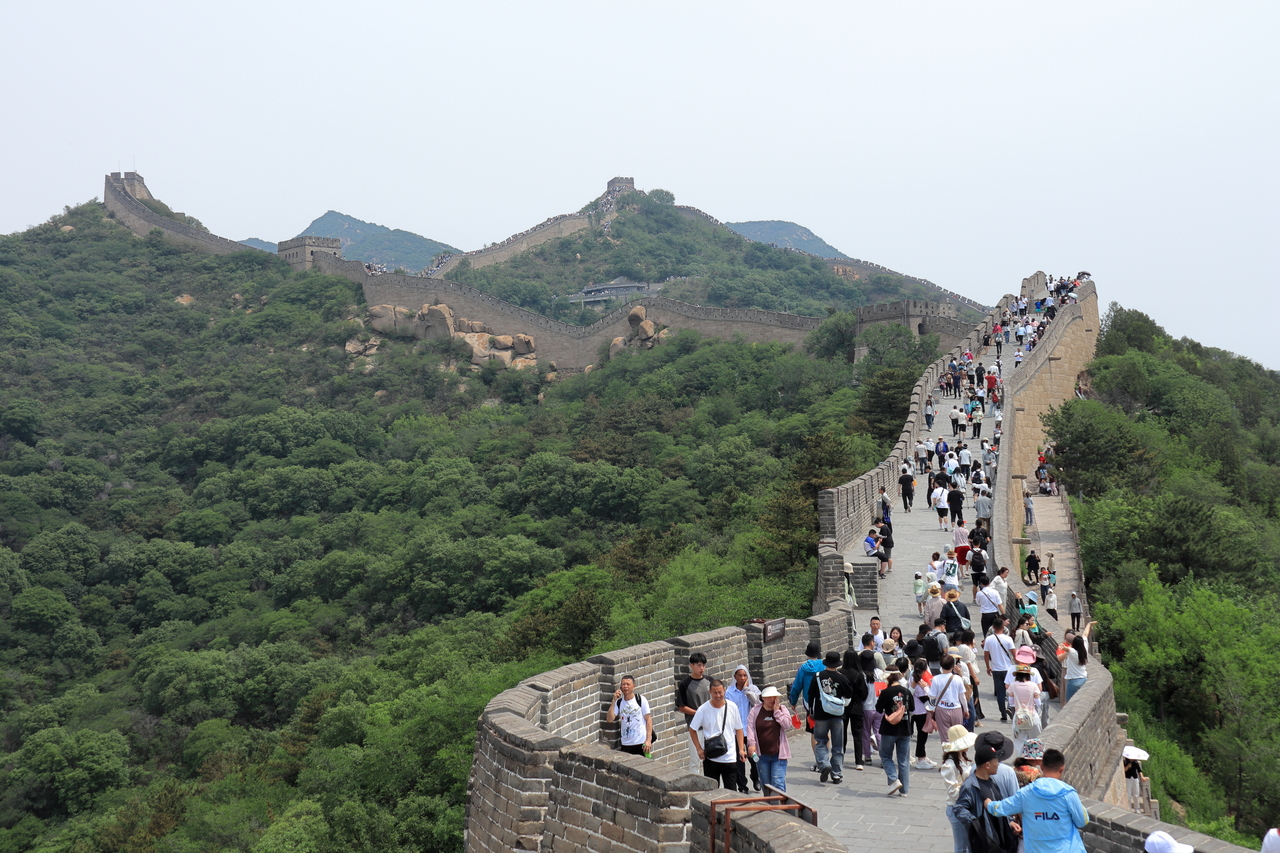
While some parts were bustling with fellow tourists, I also discovered quieter stretches completely devoid of people, which allowed me to absorb the monumental history in peace.
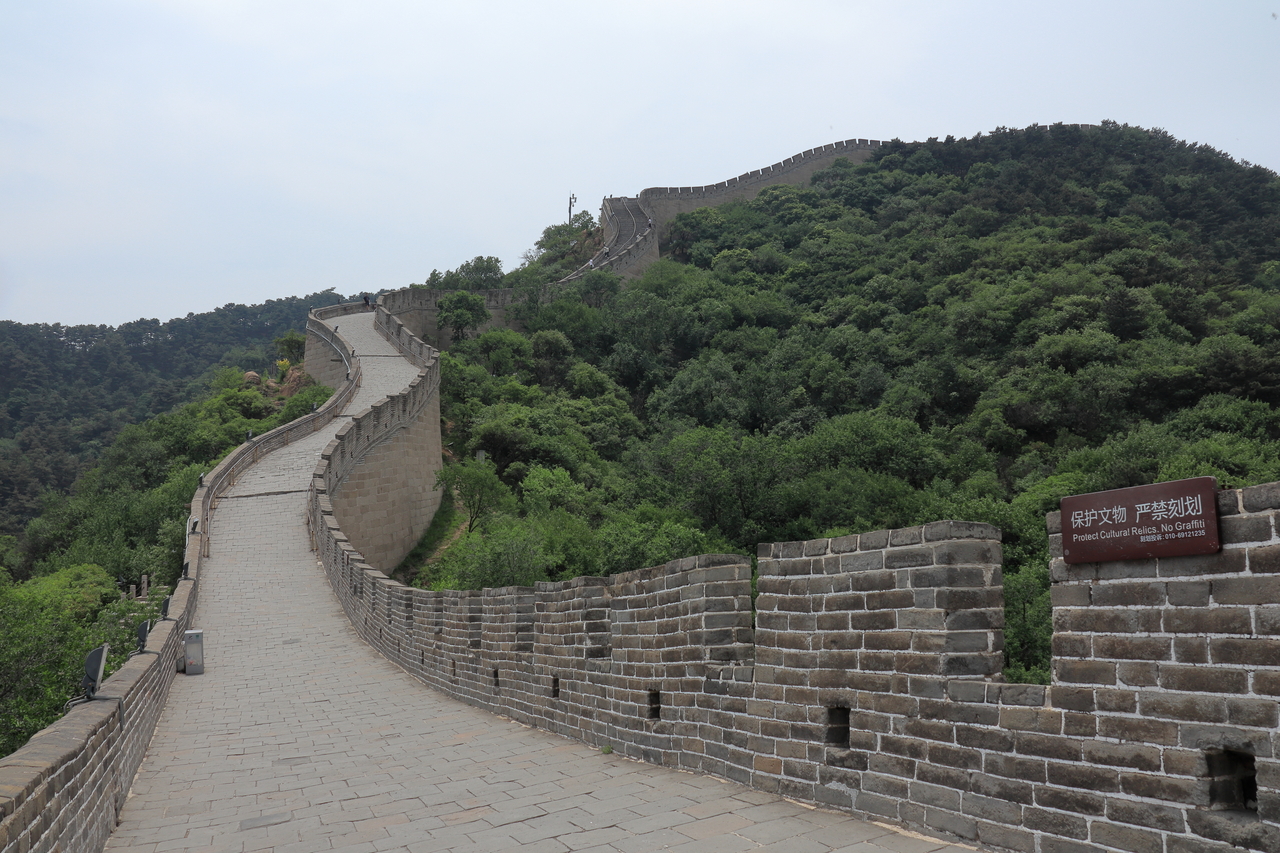
I must admit, I wasn’t fully prepared for the steep steps - the climb was tiring, but it was rewarded with breathtaking views.
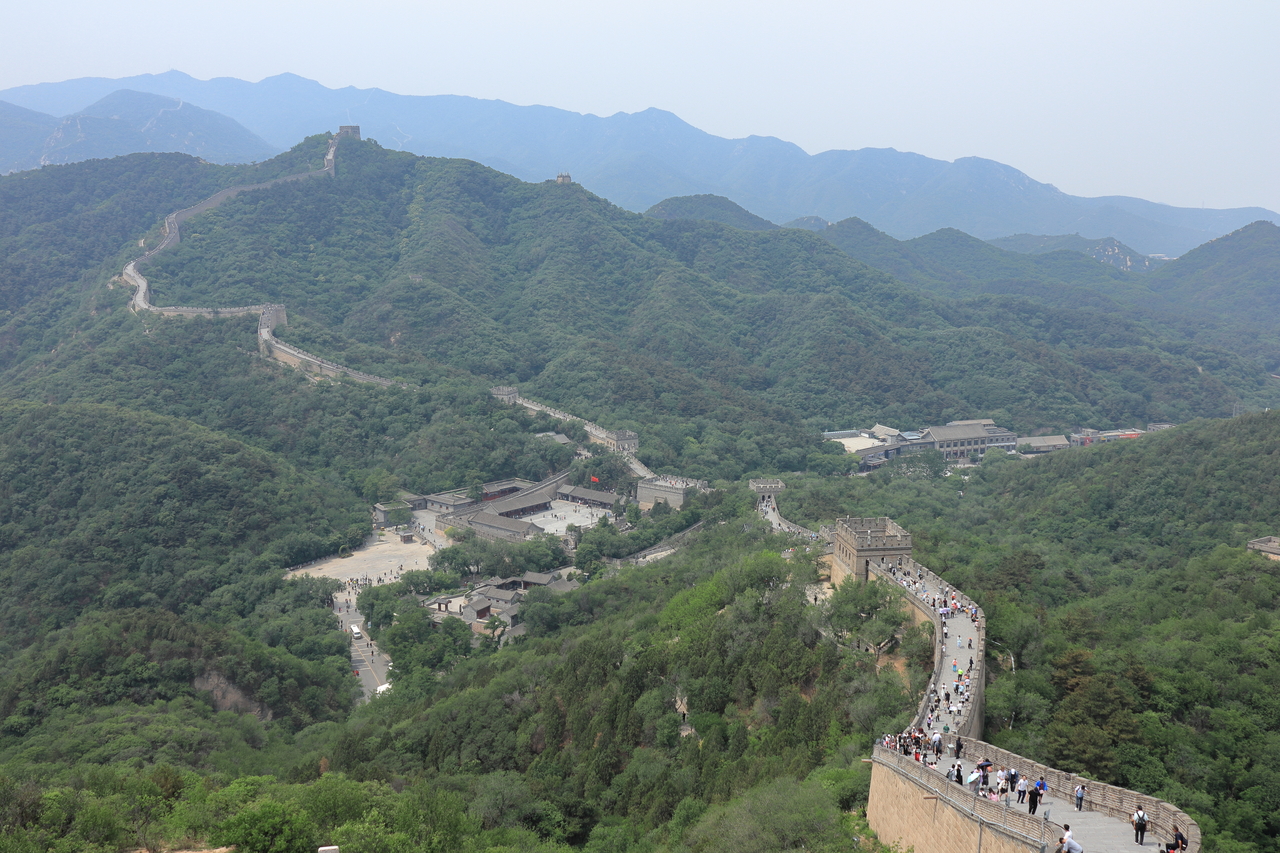
On my way back, I stopped at a nearby restaurant where I indulged in some of the best dumplings I’ve ever had.
Final Thoughts
Reflecting on my journey, a trip like this could be packed into about six days - though every moment left me yearning for more time. Each city - Hangzhou, Shanghai, and Beijing - offered its own unique character and charm. I already know that my heart is set on returning to explore not only these cities but also more of China’s stunning natural beauty and historic treasures.